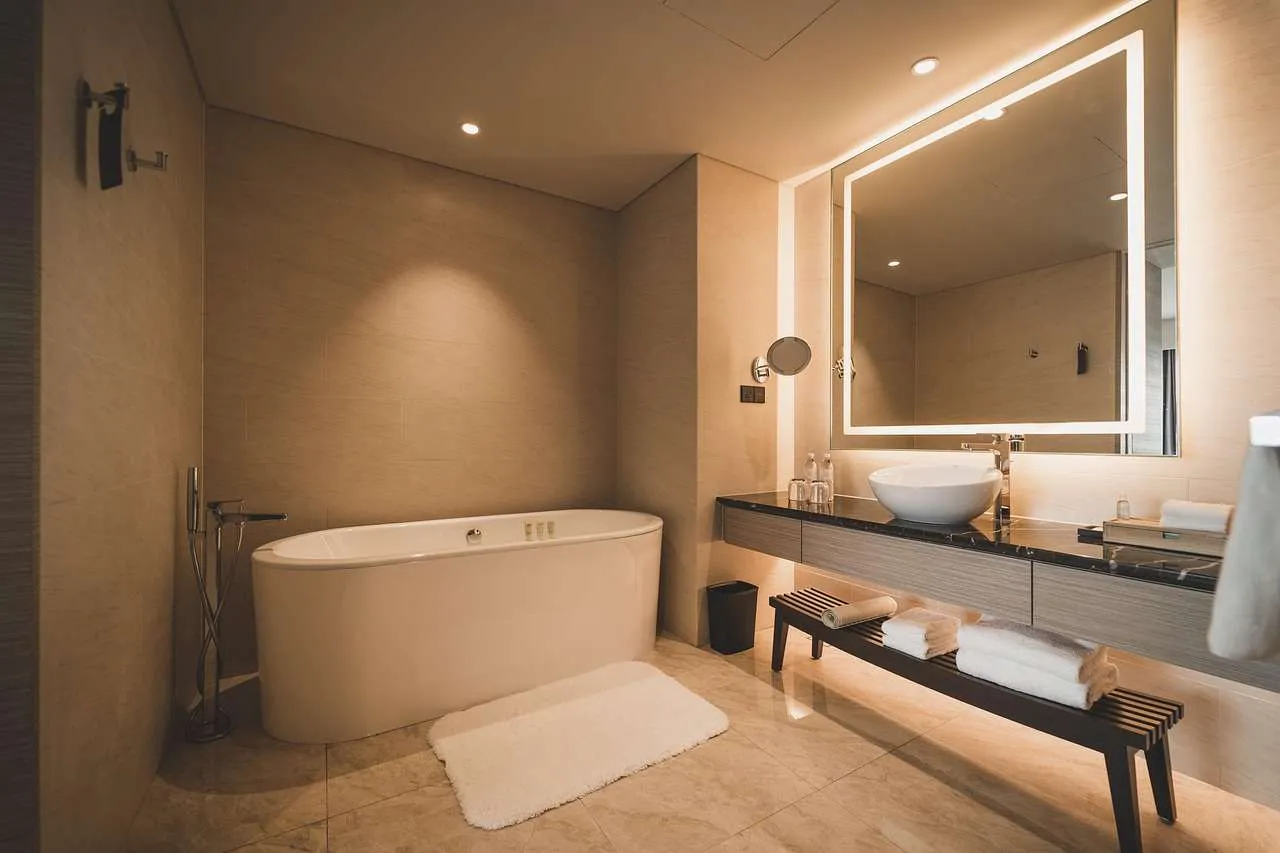
When space is tight, the right approach to small bathroom ideas combines layout, storage, and durable finishes. With thoughtful planning, a compact bath can feel airy, organized, and welcoming rather than cramped.
Smart layouts for small bathrooms
Start by measuring the room and mapping zone priorities. In most small baths, a corner shower, wall hung toilet, and a compact vanity create open central space and improved flow. Consider a tub-free or shower-only configuration if daily routines lean toward quick washes. A doorless entry or a pocket door can also reclaim precious inches for a larger shower or a roomy vanity.
Corner shower vs tub-free layouts
Corner showers make efficient use of limited floor area and are easy to seal. They often pair with clear glass to keep sightlines open, amplifying the sense of space. If you still crave a bathtub, a compact freestanding tub or a 48-inch tub along a wall can work in longer, shallow baths, but prioritize glazed surfaces and minimal framing to avoid visual heaviness.
Storage solutions that save space
Smart storage is the backbone of small bathroom ideas. Use recessed niches in the shower wall for soaps and shampoos, and install a medicine cabinet with a mirrored front above the vanity. A floating vanity with open space beneath feels lighter and can accommodate a small laundry basket or basketry. Don’t forget over-door organizers and slim, tall storage towers that tuck beside the sink or toilet.
Color schemes and lighting
Choose light, neutral palettes to reflect natural light. White, off-white, or pale gray walls with glossy tiles visually expand the room. Large mirrors, ideally matching the width of the vanity, bounce light across the space. Layer lighting with ceiling fixtures and chrome wall sconces or LED strips under cabinets to eliminate shadows.
Fixtures and finishes that maximize space
Wall-mounted or compact fixtures create a sense of openness. A wall-mounted toilet or dual-flush model frees floor area and simplifies cleaning. Choose a shallow sink or wall-hung vanity with integrated storage. Hardware with clean lines and frameless glass in the shower reduces visual weight. If possible, install a pocket door or a barn door to further improve circulation.
Budget-friendly upgrades
Even on a tight budget, small bathroom ideas can make a big impact. Refresh with a fresh coat of moisture-resistant paint, updated hardware, and a new mirror. Swap out bulky medicine cabinets for slim recessed medicine cabinets. For tiling, consider a single accent wall and large-format tiles to reduce grout lines, and use peel-and-stick or water-resistant vinyl flooring for quick transformation.
Materials and maintenance
Durable, easy-care materials matter in small baths. Porcelain or ceramic tiles with epoxy grout resist moisture and staining. Glass shower enclosures and porcelain sinks are washable and long-lasting. Consider matte finishes for less visible water spots and choose solid-surface counters that scrub clean. Regularly inspect sealing and caulk, especially around corners and edges where mold can form.
Comparison of layout options
| Option | Pros | Cons | Best For |
|---|---|---|---|
| Corner shower with glass enclosure | Perceived space, easy cleaning | Requires careful sealing | Small square baths |
| Walk-in shower with sliding door | Sleek look, wide entry | Doors require maintenance | Extremely tight layouts |
| Wall-mounted vanity | Feels roomier, under-vanity storage | Higher installation cost | Wet zones by mirror |
| Pocket door or barn door | Open flow, saves space | Hardware wear over time | Minimal footprint |
Conclusion, by combining layout strategy, practical storage, and durable finishes you can transform a small bathroom into a comfortable, stylish daily retreat. Focus on light colors, reflective surfaces, and space-saving fixtures to create the illusion of more room. Plan, execute with quality materials, and maintain regularly to keep the space inviting and functional.