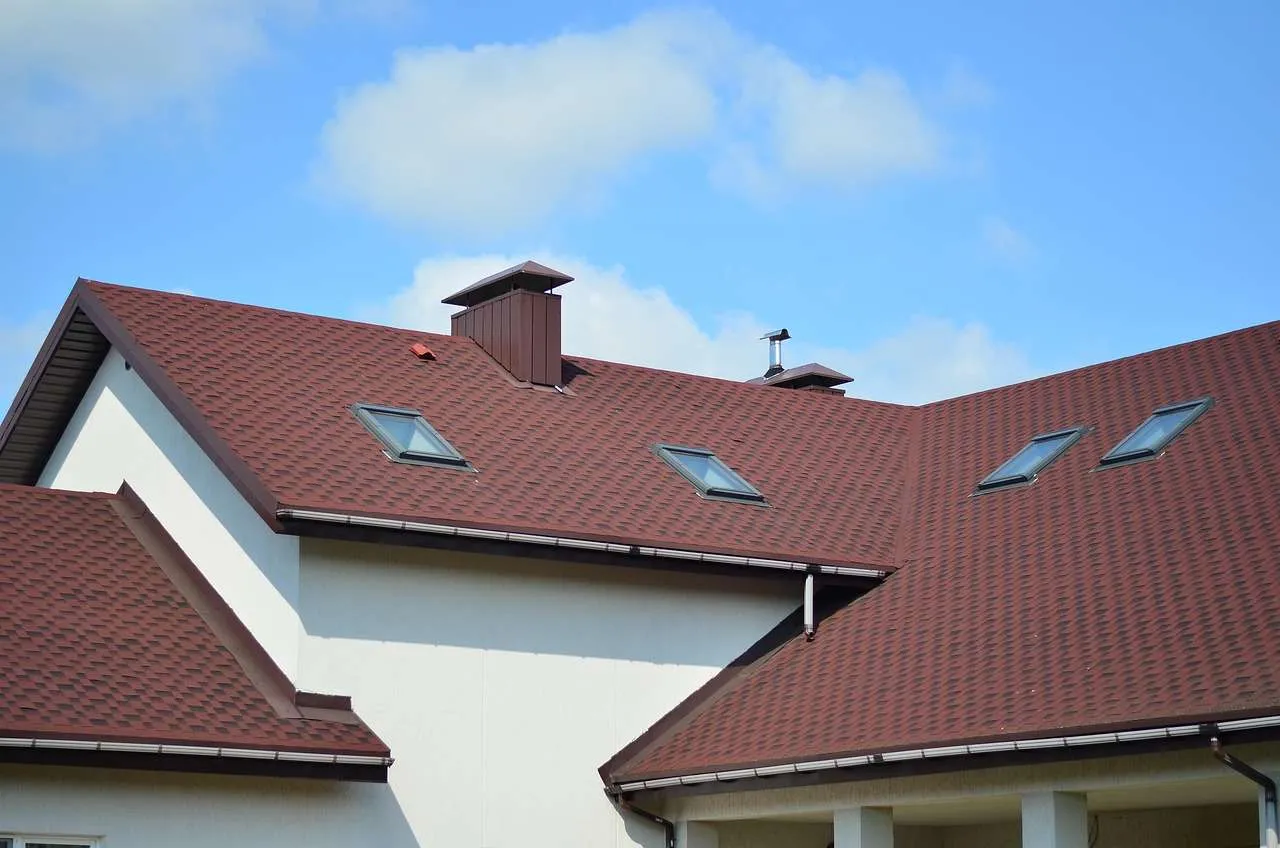
Repair of roofing is a key service for preserving home comfort, energy efficiency, and structural integrity. Timely repairs can prevent small issues from becoming major, costly problems. This guide explains how to spot damage, choose the right repair methods, and select trustworthy contractors. Written with a focus on EEAT — Expertise, Authoritativeness, and Trustworthiness — the content equips homeowners with practical, standards-based guidance for safe and effective roof repairs.
Signs you may need a repair of roofing
Recognizing damage early saves money and protects your home. Look for:
- Missing or curling shingles after a storm
- Granule loss in gutters or on the ground
- Leaks or water stains on ceilings and walls
- Visible gaps or warped flashing around chimneys, vents, or skylights
- Sunlight visible in the attic or unusual attic warmth
Repair vs. replacement: when to consider each
Not every roof problem warrants a full replacement. Consider repair when issues are localized and non-structural, such as a single damaged shingle, a small leak, or worn flashing that can be sealed or resealed. Replacement becomes prudent when:
- Damage covers a large percentage of the roof
- The roof is near or past its expected lifespan (typically 20–25 years for asphalt, less for other materials)
- Structural sagging or widespread leakage compromises safety or energy efficiency
- Frequent, costly repairs are required for persistent problems
Common repair methods and how they work
Repairing roofing involves targeted fixes that restore weatherproofing and extend roof life. Key methods include:
Shingle patching and replacement
Localized shingle damage can be repaired by patching or replacing individual shingles. Proper patching relies on matching materials and sealing techniques to prevent water intrusion.
Flashing repair
Flashing around chimneys, vents, and joints directs water away from the roof. Damaged flashing is a frequent source of leaks and should be replaced or resealed with compatible sealants and metal flashing.
Leak sealing and underlayment patches
For active leaks, technicians may apply temporary sealants and install patches over the affected underlayment. In some cases, addressing the underlying cause (eg, valley or seam) is essential to prevent recurrence.
Vent and penetrations
Roof penetrations, including vents and skylights, require careful resealing and, if necessary, flashing replacement to restore a watertight interface.
DIY vs professional: safety and compliance
Many roof repairs are hazardous. Working on a roof without fall protection, proper ladder safety, and weather assessment risks severe injuries. Local codes and warranty terms often require licensed professionals for certain repairs. Consider hiring a contractor for complex jobs, high slopes, or damage near electrical lines or insulation systems.
How to choose a roofing contractor
To ensure EEAT, vet candidates thoroughly. Important steps:
- Verify licensing and insurance (liability and workers’ compensation)
- Request written estimates with scope, material specs, and timeline
- Check references and recent project photos
- Confirm warranties on labor and materials
- Ask about safety practices, lead times, and clean-up procedures
Cost considerations and planning
Repair costs vary by material, extent of damage, and labor. Typical elements include shingle patching, flashing replacement, leak repair, and sealants. The following table provides general guidance and should be refined by local quotes.
| Repair Type | Typical Cost Range | What It Covers | Estimated Longevity After Repair |
|---|---|---|---|
| Shingle patching/replacement (localized) | $150–$450 | Damaged shingles, minor surface repairs | 5–7 years |
| Flashing repair | $300–$700 | Chimneys, vents, roof-to-wall seams | 7–15 years |
| Leak sealing and underlayment patch | $200–$600 | Active leaks, small sections of underlayment | 3–5 years |
| Localized vent/penetration reseal | $200–$500 | Vents, skylights, and pipe collars | 5–10 years |
Comparison: repair vs replacement
| Factor | Repair | Replacement |
|---|---|---|
| Upfront cost | Lower | Higher |
| Disruption | Less disruption, shorter timeline | Major project, longer disruption |
| Lifespan after work | Typically 5–15 years depending on material | 20–50 years depending on material |
| Best use case | Localized, non-structural damage | Extensive wear, aging system, widespread leaks |
Preventive maintenance to reduce future repairs
Proactive care extends roof life and reduces repair frequency. Schedule annual inspections, clear debris, clean gutters, trim overhanging branches, and ensure proper attic ventilation. Address any moisture or condensation promptly, and maintain proper insulation to minimize ice dam formation in winter. A documented maintenance plan helps protect your investment and supports EEAT by showing ongoing stewardship.
Final considerations and best practices
Trustworthy repairs come from qualified professionals who provide clear scope, transparent pricing, and reliable warranties. Document all work and keep records of permits and inspections. If you’re unsure, seek a second opinion from a licensed contractor or a third-party roofer association for references. By following a systematic approach, homeowners can achieve durable, code-compliant repairs and avoid recurring issues.
Conclusion, a well-planned repair of roofing strengthens weather resistance, preserves the home’s value, and minimizes long-term costs. Selecting skilled professionals, maintaining records, and adhering to a proactive maintenance schedule are essential elements of a robust roof care strategy.
Summary: Repair of roofing is most effective when addressed early, with a clear plan and professional guidance. By spotting signs of damage, choosing appropriate repair methods, comparing repair with replacement options, and committing to preventive maintenance, homeowners safeguard their property while meeting EEAT standards for expertise and trust.